
One lock is not a security program
No single control is a security program. Locking the front door is important. It also does not help if you left a window open.


Best SBOM Tools 2026: How to Choose the Right SBOM Generation Tool
Compare the best SBOM tools for 2026. Expert analysis of Waybill, cdxgen, Syft, npm-sbom & more. Choose the right SBOM generator for your needs.


We agreed on a vulnerability metric we can’t compute
We keep reporting the wrong vulnerability number to the CEO.


Are we exposed?
At most banks and funds, the answer still takes days. Here’s what that costs.

What CrowdStrike, Travelex and Synapse tell us about blast radius in financial services.
CrowdStrike cost banking $1.149bn with no attacker involved. What Travelex and Synapse add, and why DORA now requires concentration risk assessment.

DORA, PCI DSS and NYDFS all now require a software inventory. Most banks cannot produce one.
DORA Article 28, PCI DSS 6.3.2 and NYDFS 500.13 all require a software inventory. Here is what each asks for, and why scanner-built inventories fall short.

Introducing Waybill: the most comprehensive SBOM generation tool
Existing SBOM generators have gaps in ecosystem coverage, transitive dependency analysis, and data quality. Waybill gives you the depth and accuracy modern software supply chains actually need.
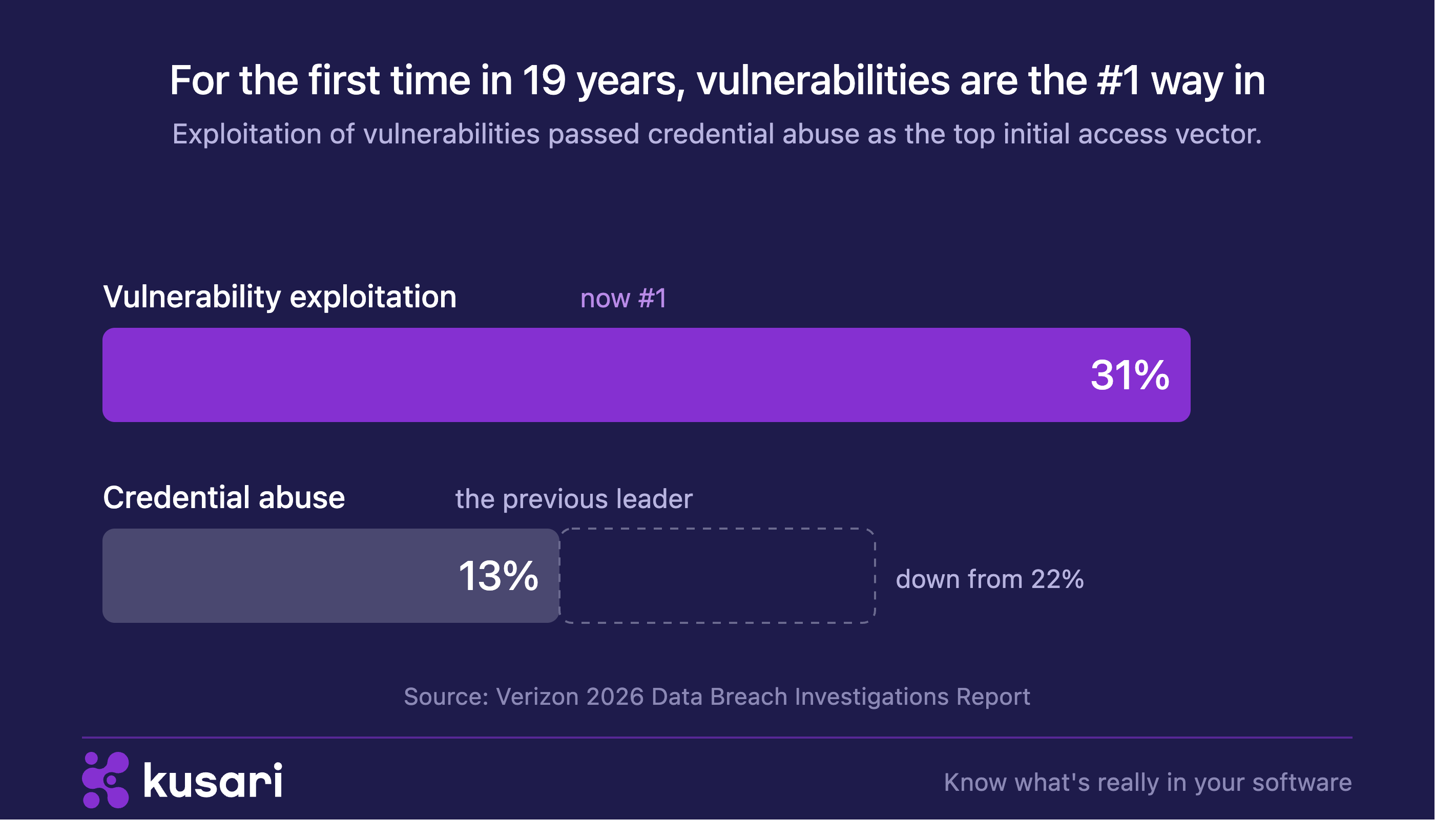
For the first time in 19 years, vulnerabilities are the DBIR's top attack vector
Stolen credentials used to be an attacker's main path into your systems. Now it's exploiting a vulnerability in your software.
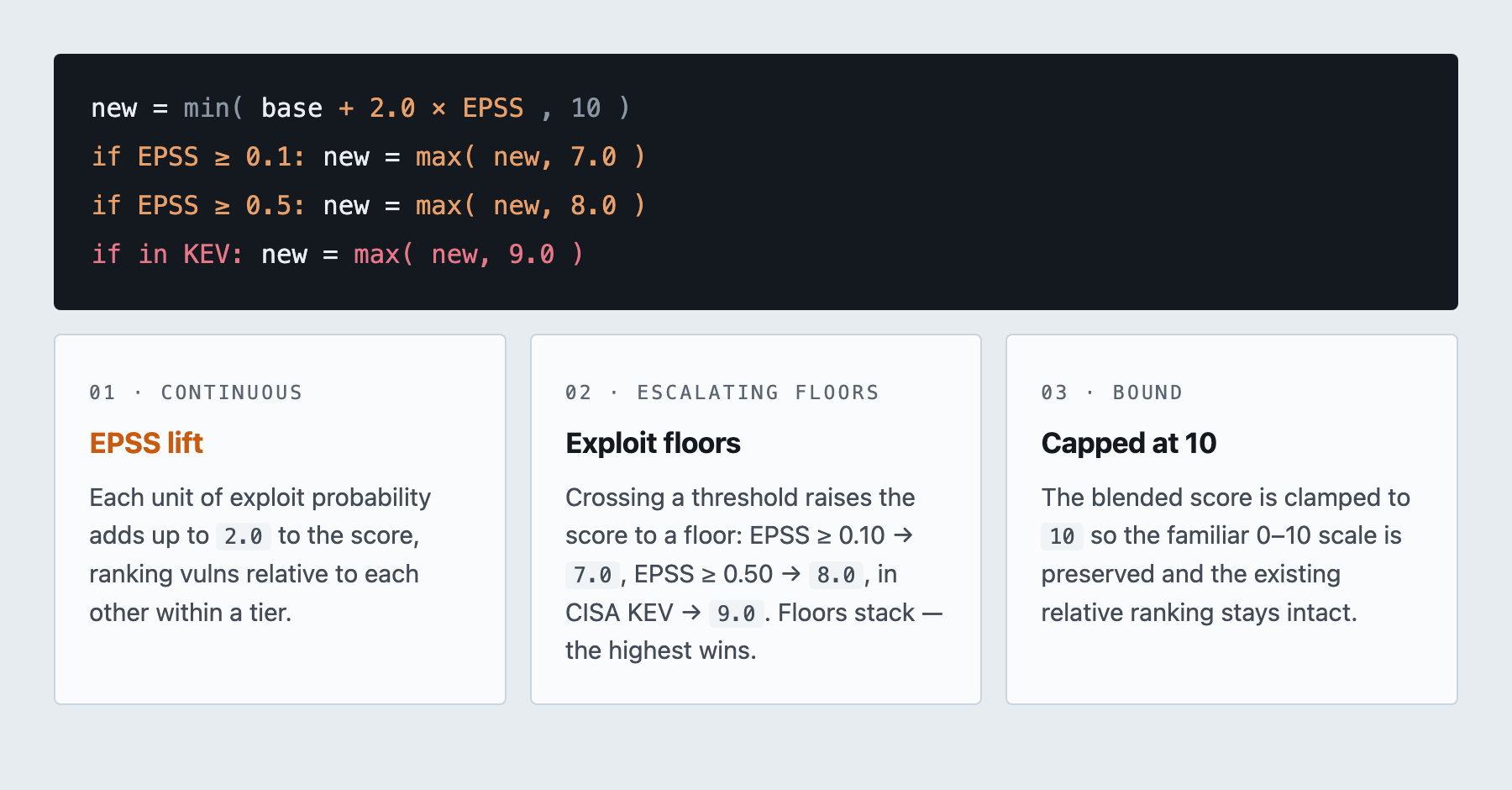
Kusari Score now includes active vulnerability exploits
Kusari Score prioritizes vulnerabilities based on your specific software environment. Now with active exploit intelligence built in.



Surviving the vulnpocalypse with Kusari
The coming avalanche of AI-assisted vulnerability discovery can overwhelm teams, but not if they’re prepared.
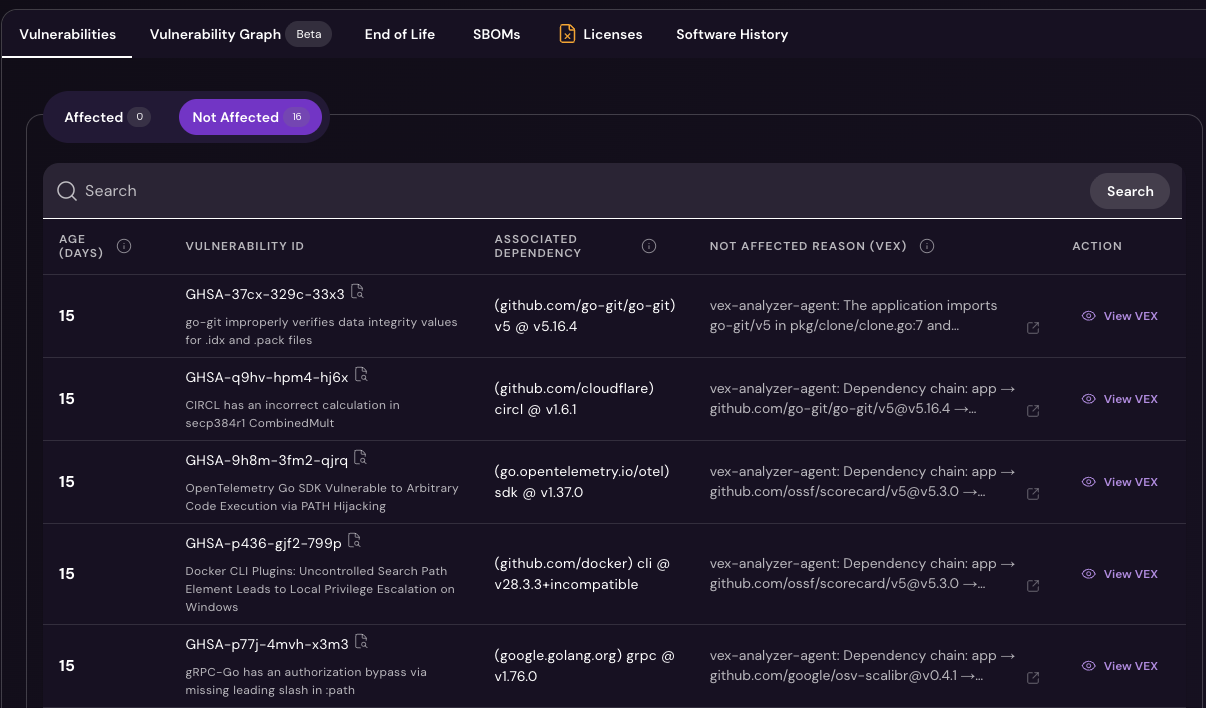
Kusari Platform now tells you which vulnerabilities can actually be exploited — and writes the VEX
Most CVEs can't actually be reached by your code. Kusari's new AI Analysis Agent reads your codebase and traces each vulnerability so you can fix what matters and prove what doesn't.
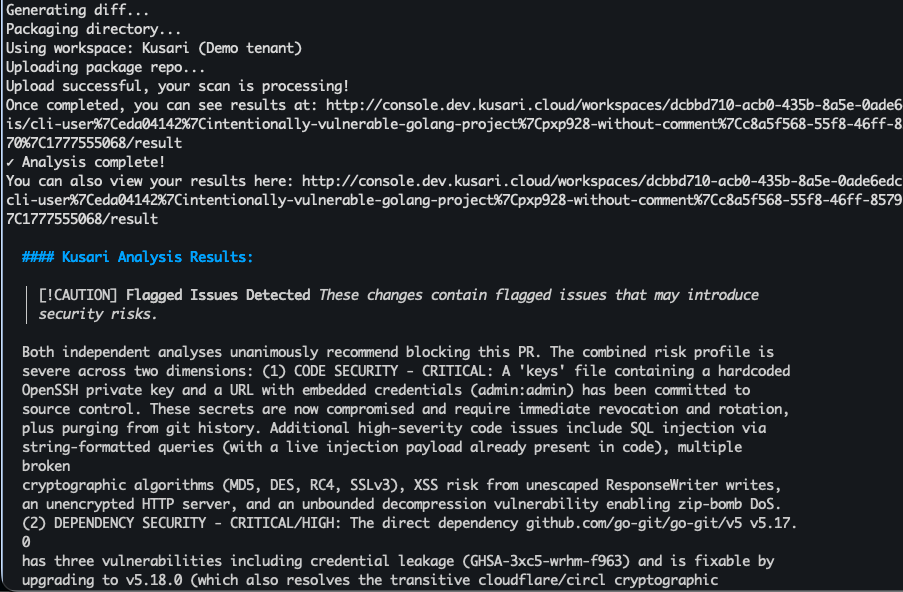
kusari-cli gives you Kusari’s power wherever you go
The kusari-cli 1.0 release means you can connect to Kusari Inspector and Kusari Platform no matter what platform you use.

From Provenance to Enforcement: SLSA, in-toto, and Kubernetes Admission Control
If provenance is not evaluated, it is merely metadata. Enforcement is what transforms integrity into control.


Identity, Signing, and Transparency: The Foundation of Verifiable Builds
Signing artifacts is not new. Making that signing keyless, auditable, and transparently verifiable is.

Software Is a Supply Chain — Start Treating It Like One
Modern software delivery now resembles global manufacturing. If we demand traceability for physical components, we must demand the same for code.

Facts and Mythos: understanding the future of AI security analysis
Mythos undoubtedly represents an advancement in the capability of frontier models. It’s also not the apocalypse.

Why 72% of Organizations Can't See Their Real Attack Surface: Solving the Transitive Dependency Visibility Gap
Most security leaders think they have a handle on their attack surface, using SCA, SBOMs, tracking libraries. But there's a problem with that confidence.

How Kusari Protects Against Recent Supply Chain Attacks
Recent attacks against projects like Trivy, LiteLLM, and Axios show the need for automated supply chain checks.
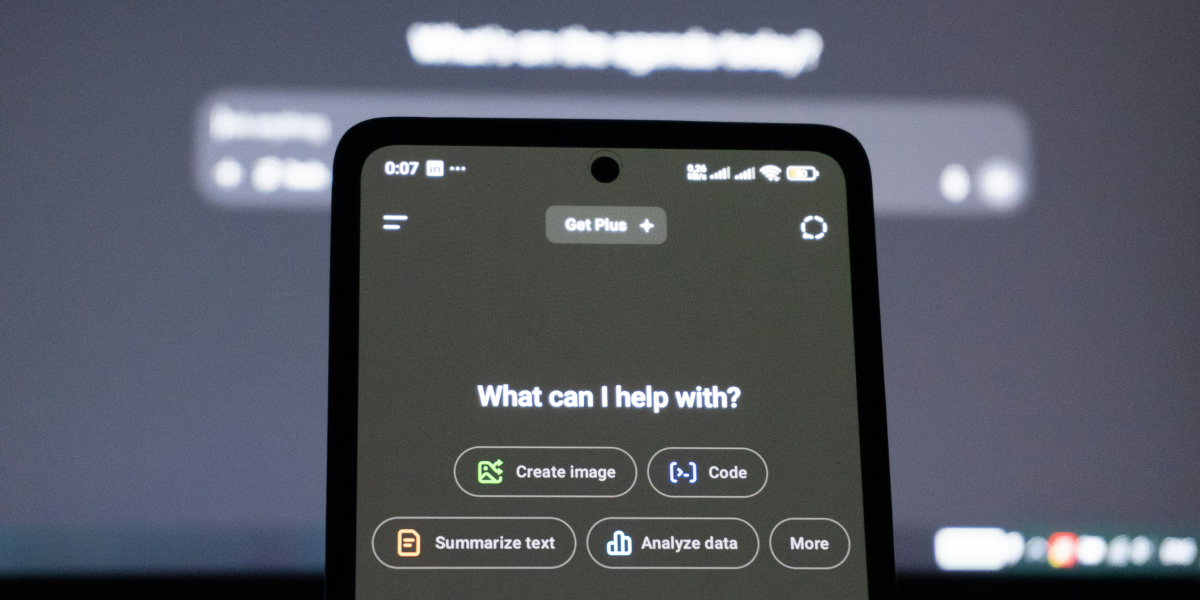
Vibe Coding & Vulnerabilities: A Security Team's Guide to AI-Generated Code Risks
Kusari Partners with OpenSSF to Strengthen Open Source Software Supply Chain Security
Open source software powers the modern world; securing it remains a shared responsibility.
Kusari and CNCF: Advancing Software Supply Chain Security for Cloud Native Projects
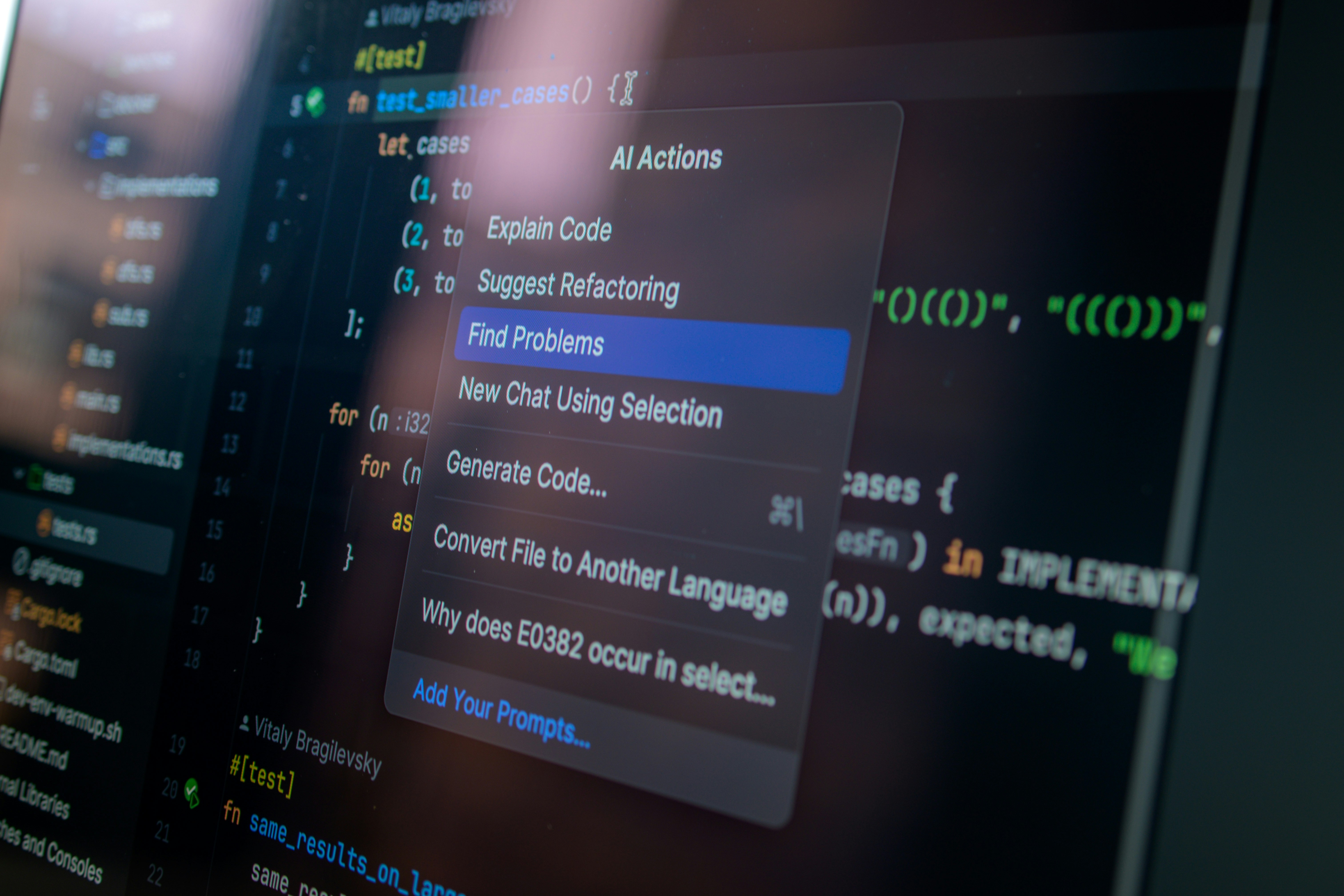
AI Coding Assistants in 2026: 4× Faster, 10× Riskier and The Hidden Security Cost
AI coding assistants (LLMs) dramatically increase developer velocity, but introduce critical new AppSec risks. AI-generated code is consistently less secure.
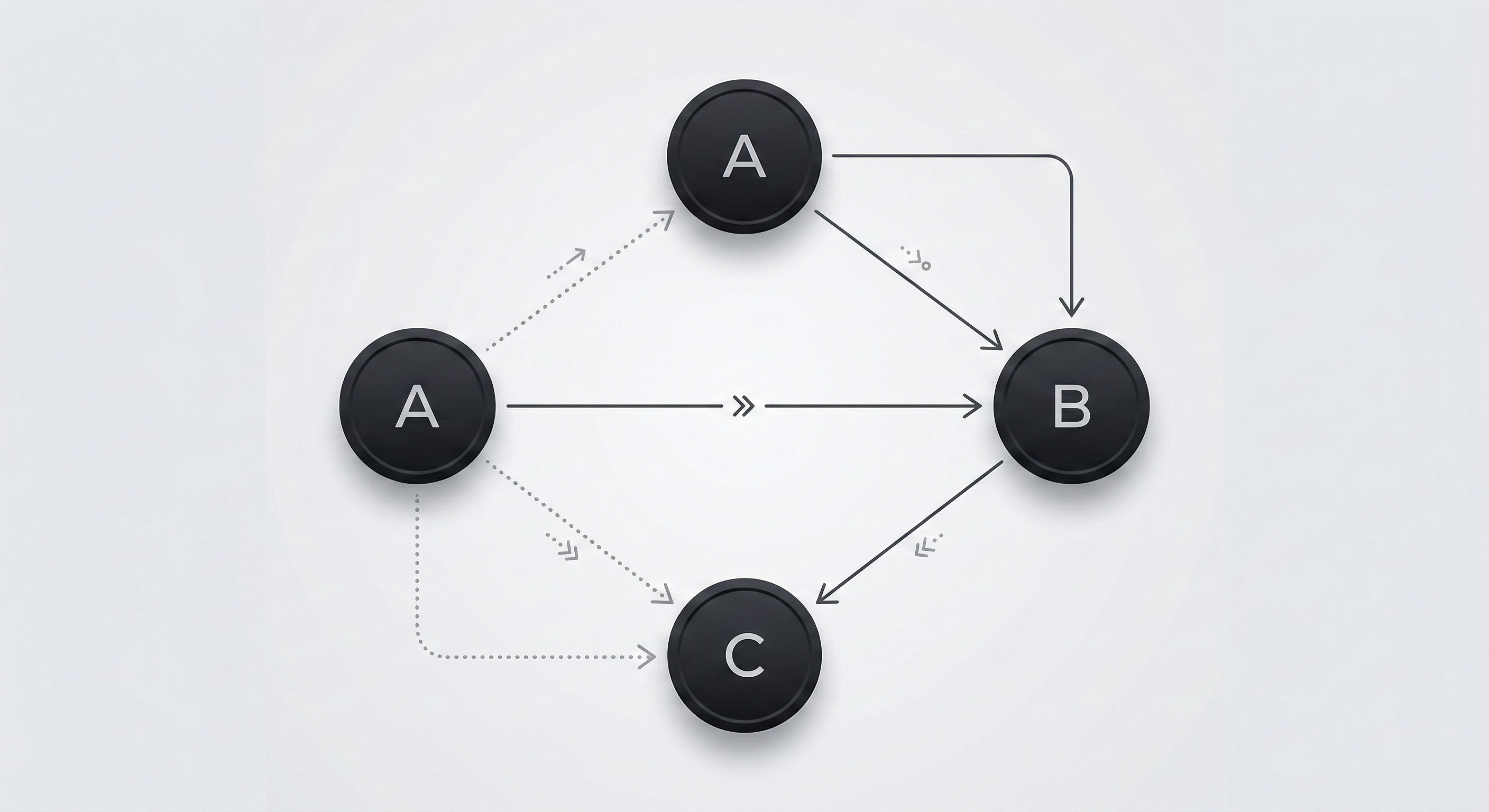
The 95% Problem: Why Transitive Dependencies Are Your Biggest Software Supply Chain Blind Spot in 2026
Your security team just finished a vulnerability scan. The dashboard looks clean, but there's a catch: that scan only covered about 5% of your actual risk surface.

Why the EU Cyber Resilience Act Will Catch US Software Companies Off Guard
Most US software regulations are built around intent. The EU Cyber Resilience Act (CRA) is built around outcomes. That difference is why 2026 will feel like a shock for many US companies selling softw